Lippan Art vs. Mosaic Relief: Choosing the Right Piece for Your Space
Rachna Saxena
Contemporary Lippan Artist · Mumbai Studio
Quick Summary / Direct Answer
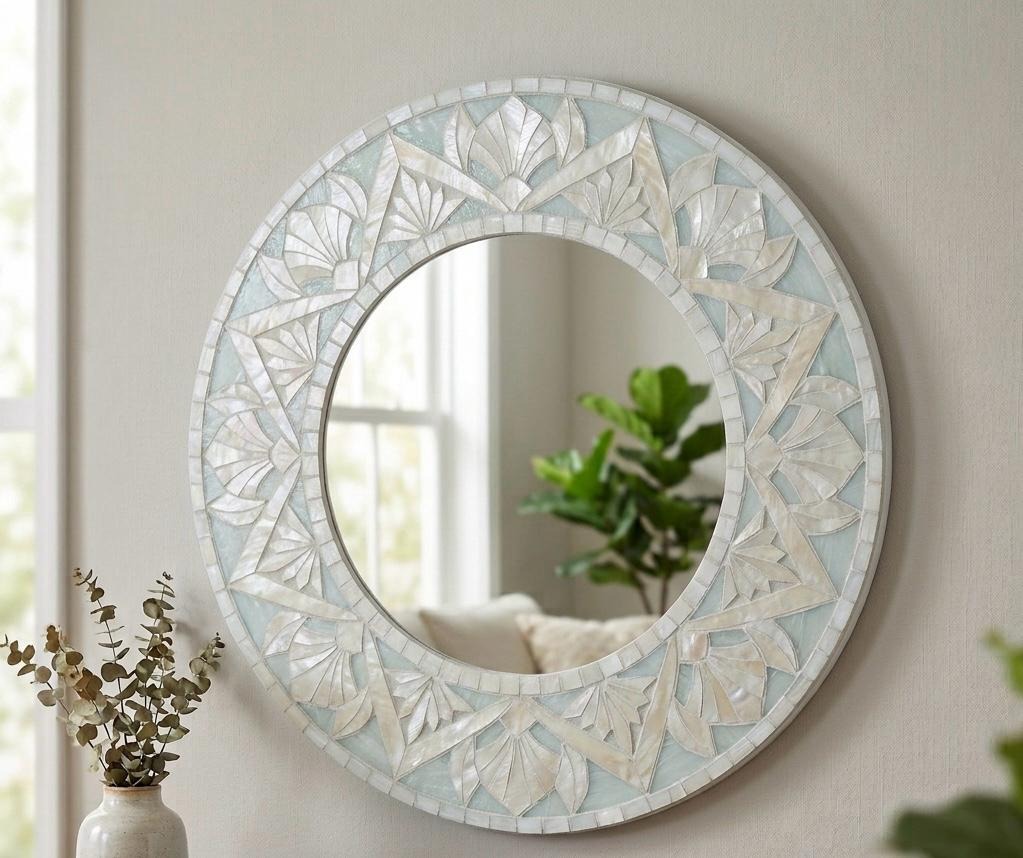
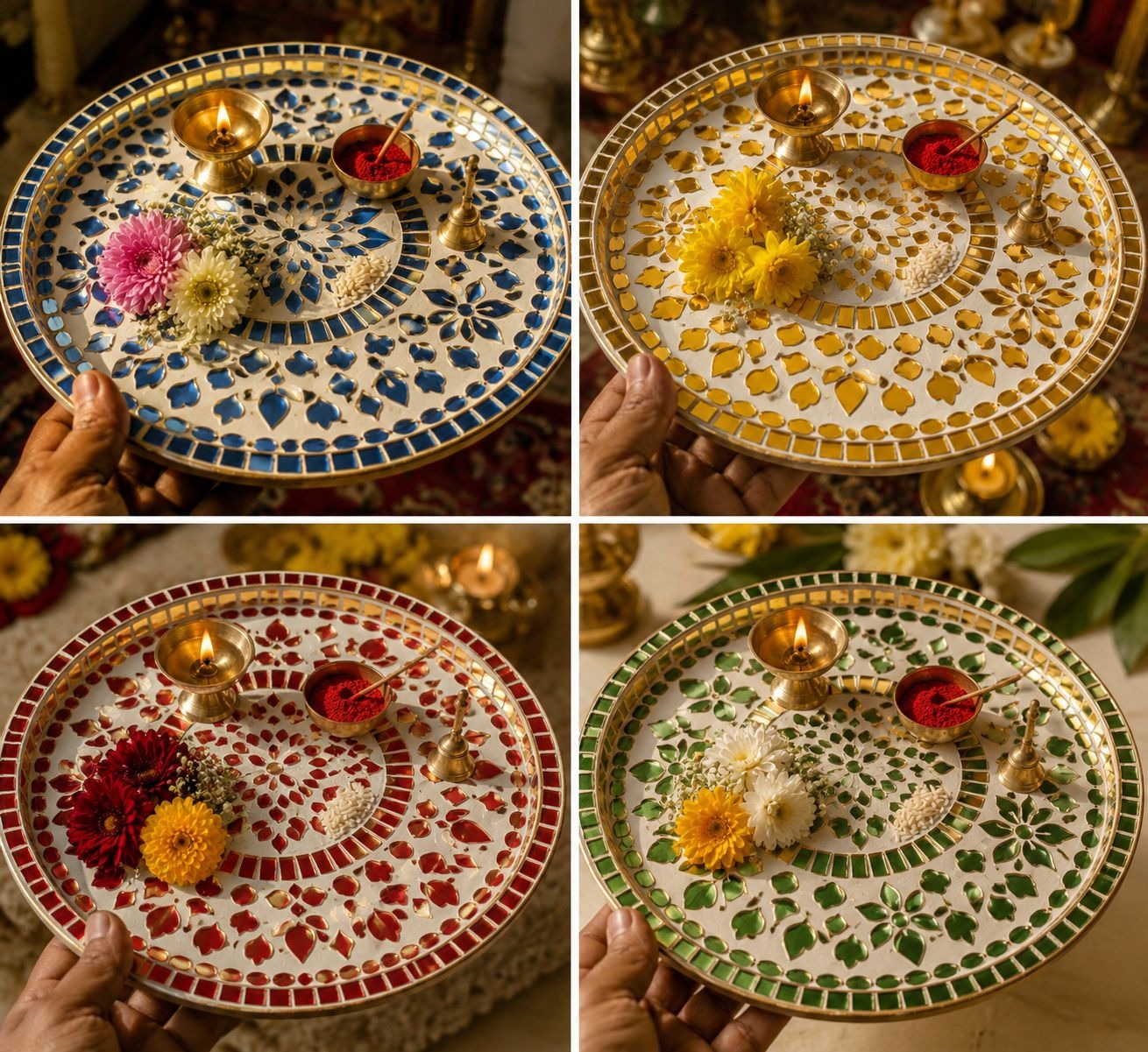
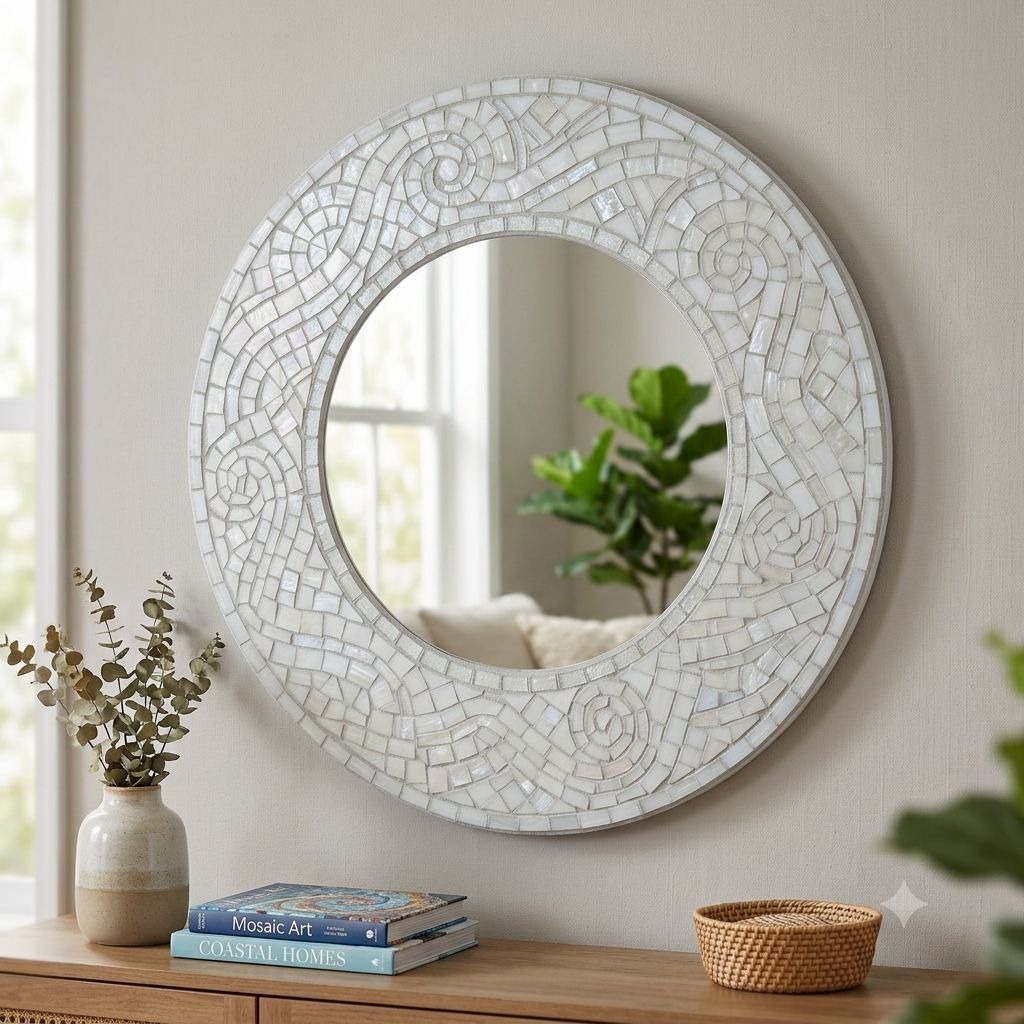
While both Lippan art and Mosaic relief celebrate the interplay of light and texture, they differ fundamentally in materiality and aesthetic impact: Lippan art focuses on sculptural raised clay borders and clear glass mirrors (aabhla) on monochromatic backgrounds, delivering earthy, sacred, and serene ambiance. In contrast, Mosaic relief uses colorful hand-cut stained glass tesserae and vitreous tiles to produce vibrant, jewel-toned visual dynamism.
Materiality & Structural Anatomy Compared
Lippan art is an indigenous relief mural technique where sculpted clay coils project in sculpted relief above the board, holding flat mirrors within organic earthen contours. Mosaic artwork, tracing heritage back to Greco-Roman and Byzantine traditions, consists of hundreds of individual glass or ceramic tiles (tesserae) arranged closely together, creating rich, saturated color gradients through glass refraction.
Direct Comparison: Lippan Art vs. Mosaic Relief
Review this side-by-side comparison to choose the ideal art medium for your architectural environment:
| Feature / Dimension | Handcrafted Lippan Art | Artisan Mosaic Relief Artwork |
|---|---|---|
| Primary Material | Sculpted mineral clay relief & clear glass mirrors | Hand-cut vitreous stained glass, ceramic tesserae & mirrors |
| Texture Profile | Tactile 3D raised clay ridges with recessed mirrors | Multi-faceted, semi-planar glass mosaic surface |
| Color Philosophy | Chalk white, terracotta, ivory, and monochrome minimalism | Jewel-toned sapphire, emerald, amber, ruby & iridescent glass |
| Light Reflection | Mirrors bounce clean, sharp, pinpoint ambient rays | Colored glass refracts and glows with prism-like luminosity |
| Aesthetic Vibe | Serene, meditative, earthy, heritage Indian, Vastu-aligned | Dynamic, celebratory, artistic, Mediterranean/contemporary |
| Weight Profile | Substantial artisanal weight (confirmed per piece) | Substantial artisanal weight (confirmed per piece) |
| Ideal Placement | Pooja rooms, serene master bedrooms, entrance foyers | Dining room feature walls, bar lounges, powder room vanity |
How Lighting Dictates the Choice
Lighting is the single most critical factor in positioning these two art forms. Lippan art thrives under warm directional spotlighting (2700K–3000K) or flickering candlelight, where the mirrors sparkle like stars against dark clay shadows. Mosaic relief, however, comes alive near windows or under daylight-balanced illumination (4000K), where natural light penetrates through the colored glass tesserae to produce deep visual depth.
Can Lippan Art and Mosaic Pieces Be Displayed in the Same Home?
Absolutely. Many interior designers establish visual zoning by placing a serene white Lippan panel in the entrance foyer or prayer room to create an immediate sense of calm, while using a vibrant stained-glass mosaic platter or mirror in the dining room or entertainment lounge to stimulate conversation and festive energy.
Frequently Asked Questions
Common Questions Answered
Have a question about this piece or custom commissions?
Speak directly with artist Rachna Saxena at her Mumbai atelier.
Studio Catalog